There’s something I need to tell you that might make you uncomfortable.
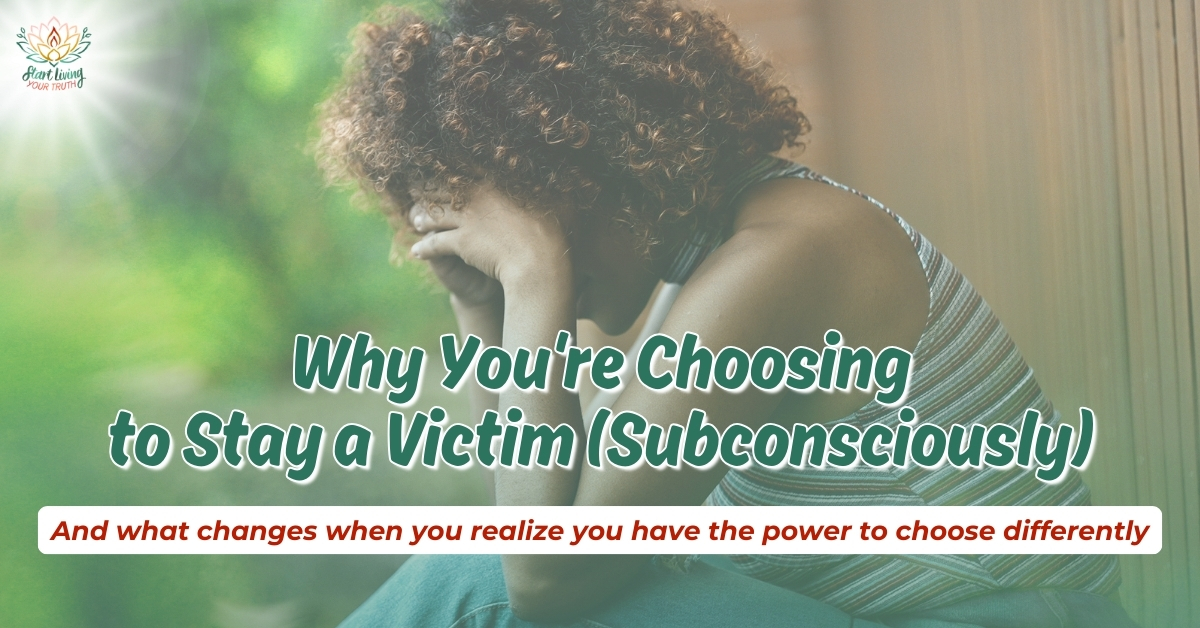
You’re choosing to stay stuck.
I know that sounds harsh. I know your first instinct is probably to say, “But Kaz, you don’t understand my situation. You don’t know how hard it is. You don’t know what I’ve been through.”
And you’re right — I don’t know your specific story. But I know the pattern. I’ve lived it myself, and I’ve sat across from countless people who are trapped in the same invisible cage.
The cage of subconscious victimhood.
The Moment Everything Changed
I was recently working with someone who perfectly exemplified this pattern. Let’s call him David. David had been telling me for months about how powerless he felt — in his relationship, with his family, in his own life. He felt like everyone else had a say in his decisions except him.
“I feel powerless to change anything,” he said. “I feel powerless in decisions. I feel powerless with how I feel within myself. I feel powerless to take control.”
Sound familiar?
Here’s what David couldn’t see: he wasn’t actually powerless. He was a 52-year-old adult with his own life, his own choices, his own autonomy. But because he’d learned as a child that he had no power to change his situation, he’d never updated that belief system.
He was still operating from the powerlessness of his childhood, even though he was no longer a child.
The Subconscious Choice
When I pointed out to David that he was choosing to remain powerless, his immediate response was telling: “But I feel powerless in that too.”
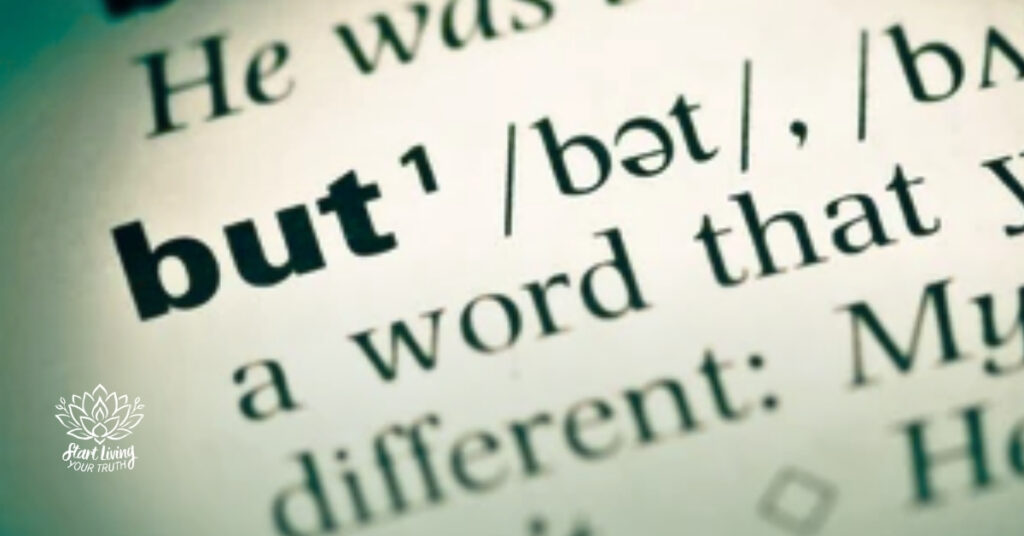
There it was. The word that keeps people stuck forever: But.
Every time you say “but,” you’re making a subconscious choice to stay in victim mode. You’re taking the reality of the situation — the truth, the logic, the possibility for change — and turning it into a story that keeps you small.
“But it’s not easy.”
“But you don’t understand.”
“But I don’t know how.”
These aren’t reasons. They’re choices. Subconscious choices to remain in the familiar territory of powerlessness.
Why We Choose to Stay Stuck
Your subconscious isn’t trying to hurt you. It’s trying to keep you safe based on what it knows. And what it knows is the identity you’ve carried for years, maybe decades: the victim.
Being the victim feels safer because:
- It’s what you know
- It means you don’t have to take responsibility
- It protects you from the risk of trying and failing
- It gives you an explanation for why life is hard
But here’s what your subconscious doesn’t realize: staying in victim mode isn’t actually keeping you safe. It’s keeping you at the mercy of everyone and everything else. You’re constantly attracting negativity and problems because you’ve positioned yourself as powerless to change anything.
How does that make you feel safe?
The Identity We Cling To
The truth is, victim consciousness becomes an identity. It’s like an outfit you’ve been wearing for so long, you’ve forgotten you can take it off.
You tell yourself you’re the victim in this world. You’re less than other people. You don’t matter as much. And because you’re an adult now, these become choices rather than circumstances.
As a child, yes — you genuinely were powerless in many situations. I completely understand how these patterns developed. But you’re not a child anymore, and that’s what needs to be integrated.
You have autonomy now. You have choice. You have power — not power over other people, but power over your own life.

What Real Power Actually Looks like
Let me be clear about what I mean by power, because this word gets twisted. I’m not talking about dominating others or being “better than” anyone. I’m not talking about the toxic power we see in politics or abusive relationships.
I’m talking about autonomy. Authority over your own life.
Real power is:
- Standing up for yourself without getting emotionally dysregulated
- Setting boundaries that protect your energy and values
- Making decisions based on what feels right for YOU
- Having honest conversations instead of people-pleasing or exploding
- Choosing your response instead of reacting from old wounds
Real power is centered. It listens. It considers others while not abandoning yourself. It doesn’t need to control anyone else because it’s secure in its own autonomy.

Choose Your Hard
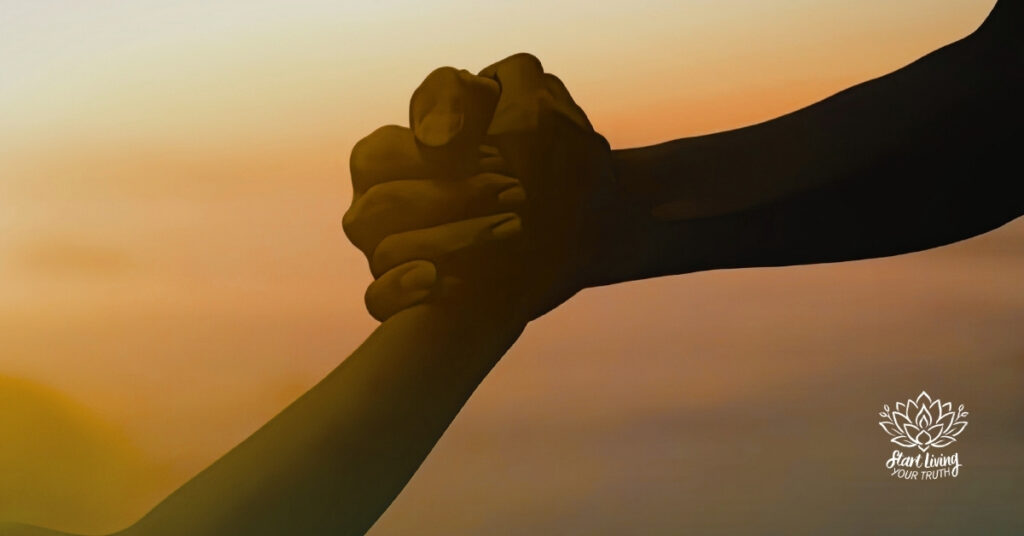
Here’s what I told David, and what I’m telling you now: you get to choose your hard.
It’s hard living in victim consciousness every day. It’s hard feeling like you don’t matter, like everyone else’s needs come first, like you’re powerless to change your circumstances. It’s demoralizing and exhausting.
And yes, it’s also hard to start reclaiming your power. It’s hard to have difficult conversations, set boundaries, and risk other people’s disapproval. It doesn’t feel safe at first.
But which hard leads somewhere different?
Which hard helps you respect yourself when you look in the mirror?
Which hard creates the life you actually want to be living?

The Choice Point
Every single day, you make this choice — usually subconsciously.
You choose whether to speak up or stay silent.
You choose whether to honor your needs or abandon them.
You choose whether to set a boundary or let it slide.
You choose whether to take responsibility or blame circumstances.
These might feel like non-choices when you’re in victim consciousness, but they’re choices nonetheless. The powerless feeling is often the subconscious choosing what feels safest, even when it keeps you stuck.
What Changes When You Own Your Power
I’ve walked this path myself. I know what it’s like to feel fundamentally powerless, to believe that everyone else gets to have a say in your life except you.
And I know what changes when you start reclaiming your autonomy:
- Your relationships shift. Instead of walking on eggshells or exploding, you can have honest conversations. You can hear someone’s perspective without losing yourself.
- Your internal dialogue changes. Instead of constant self-criticism and “I’m not enough,” you develop genuine self-respect and compassion.
- Your energy increases. You’re not constantly depleting yourself by giving your power away to everyone else.
- Your decisions become clearer. When you know who you are and what matters to you, choices become obvious.You stop attracting chaos. When you’re not operating from victim consciousness, you don’t magnetize drama and dysfunction.
This doesn’t mean you become perfect or never have challenges. You’re still human. You still have emotional waves, triggers, and moments of doubt.
But those moments become just that — moments. Not your entire identity.
The Invitation
If you’ve read this far, something in you recognizes the truth of what I’m saying. Part of you knows that you’ve been choosing — subconsciously — to stay in patterns that no longer serve you.
That recognition is the first step toward reclaiming your power.
The question isn’t whether you’re capable of change. You are.
The question is: are you willing to choose differently?
Are you willing to risk the temporary discomfort of growth for the lasting satisfaction of living as who you actually are?
If this resonates and you’re ready to explore what’s really keeping you stuck, I want to hear from you.
Visit my “Tell Me What’s Going On” page and share what’s happening in your world. No judgment, no pressure — just an invitation to be seen and heard by someone who’s walked this path and can help you see the patterns you might not be able to see yourself.
Your power is waiting for you to claim it.
Kaz helps people move from “something’s fundamentally wrong with me” to “I can see my patterns and choose differently” through deep pattern recognition and truth-telling support.
Her approach: “Yes, you were hurt. Yes, it changed you. AND now you choose.”